Agha Jahangir Bukhari: A Historical Storyteller
The Storyteller of Four Centuries
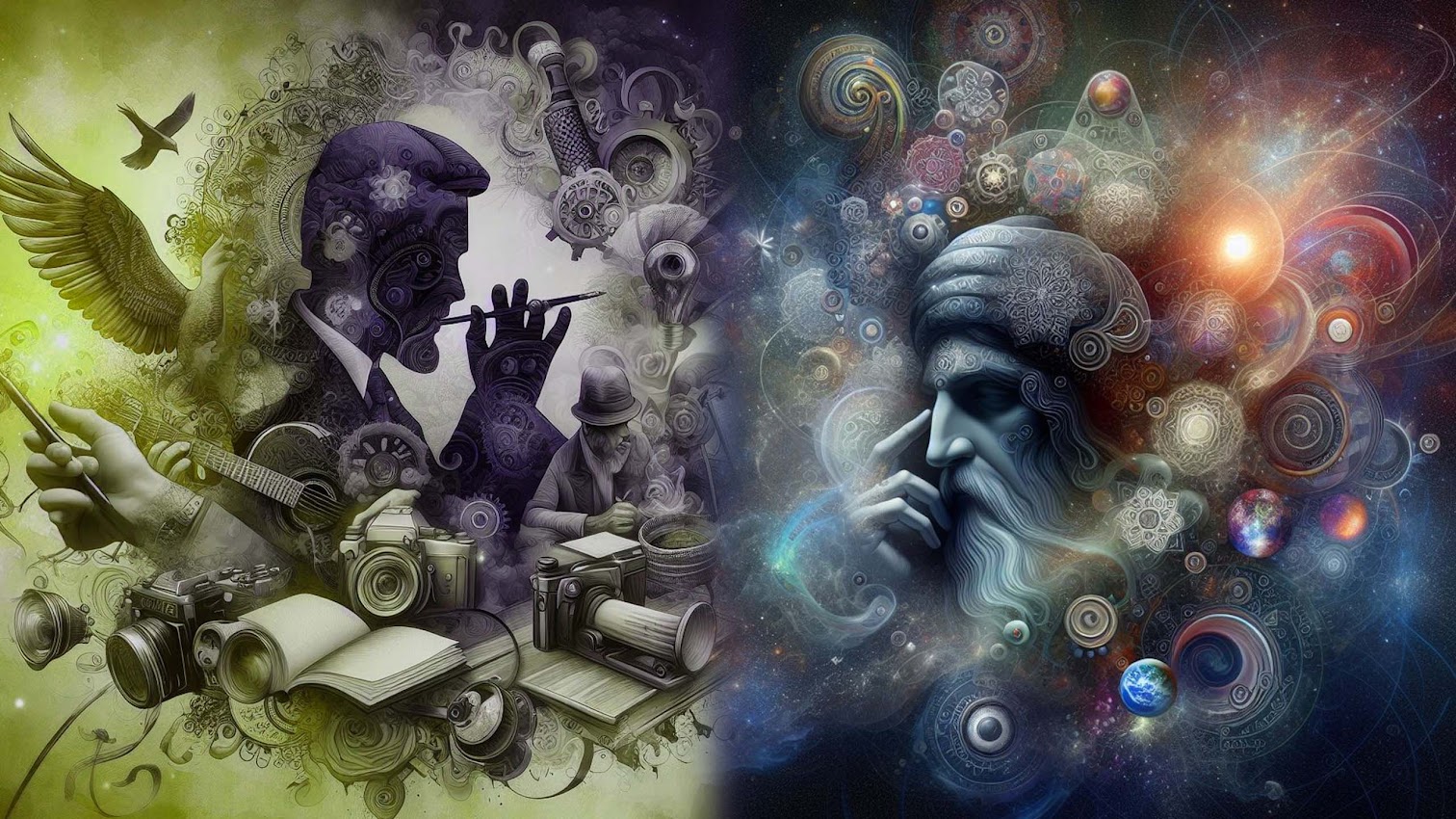
Agha Jahangir Bukhari is a writer, art director, editor, and historical storyteller whose work focuses on the human stories hidden within history. He describes himself as a “Writer, Art Director, and Editor in Attock” and uses the phrase “eyewitness to four centuries” to express his creative identity. His interests range from ancient civilizations and archaeology to literature, philosophy, historical personalities, film and culture.
History as Storytelling
For Bukhari, history is more than dates, dynasties and battles. Behind every monument, manuscript, civilization and historical event were human beings who lived, created, struggled and disappeared.
His approach is therefore to present history through its human stories—making the past accessible and engaging without turning historical fact into fiction.
The Historical Storyteller
The term historical storyteller best describes this approach. Academic history emphasizes evidence, chronology and analysis, while storytelling gives that knowledge a human and narrative dimension.
The challenge is to make history interesting without sacrificing accuracy. Bukhari’s work attempts to bring factual history to modern audiences in a form that feels more like a story than a lecture.
The Human Face of the Past
A king is not merely a name in a chronology, a philosopher is not simply a quotation, and an archaeological site is not merely a collection of stones.
The storyteller asks: What did these people see, believe, fear and create? Such questions connect history with archaeology, literature, philosophy, art and culture—and give the past a human face.
Writer, Art Director and Editor
Bukhari’s professional identity combines three roles: Writer, Art Director and Editor. Writing creates the narrative, editing gives it structure and clarity, while art direction provides its visual language.
This combination is particularly valuable when presenting ancient history, where photography does not exist and many places have changed or disappeared. Visuals can recreate atmosphere, but the historical narrative remains central.
Bigbukhari and Urdu Wikipedia
Another important part of Bukhari’s digital activity is Urdu Wikipedia, where he has worked under the username Bigbukhari.
Wikiscan records show substantial activity by the account across several years, including more than 2,000 recorded edits in 2018 and significant activity in 2019 and 2020. These records demonstrate sustained participation in the Urdu Wikipedia project.

Bigbukhari: A Consistent Digital Identity
Across his digital presence, Agha Jahangir Bukhari has consistently used the handle “bigbukhari,” creating a recognizable online identity associated with his work in writing, historical storytelling and digital publishing
Participation in Urdu Knowledge
Wikipedia work is more than writing individual articles. It involves creating, editing, correcting, categorizing and maintaining knowledge so that readers can access information in their own language.
Bukhari’s participation therefore forms part of the wider movement of Urdu knowledge from the traditional print world into the digital age.
Persian, Urdu and Classical Poetry
Bukhari’s literary interests also connect Urdu with the rich Persian tradition that shaped South Asian intellectual and literary culture.
The influence of Rumi, Hafiz, Saadi and Persian poetry, alongside the thought and poetry of Allama Iqbal, provides an important literary dimension to this tradition. Persian and Urdu are not simply connected through language; they share centuries of poetry, philosophy and cultural memory.
For an Urdu audience, this heritage offers a bridge between the classical world and contemporary understanding.
History, Archaeology, Literature and Civilization
Bukhari’s interests cross many fields. Archaeology provides physical evidence; literature preserves voices; philosophy records ideas; art preserves ways of seeing; and historical personalities give these larger subjects a human face.
Although the subjects vary, they meet around one central question: How did human beings live, think, create and understand their world?
The Atmosphere of Lost Times
Historical storytelling is not only about information. It is also about atmosphere.
A ruined city, an ancient palace or an old manuscript can become a doorway into another world. The purpose is not to invent what history does not tell us, but to make the surviving evidence more vivid and meaningful for the audience.
The Eyewitness to Four Centuries
The phrase “eyewitness to four centuries” is a literary expression rather than a literal historical claim. It represents the storyteller travelling imaginatively across centuries, encountering civilizations, personalities, ideas and events.
Through this perspective, the distant past becomes connected with the present audience.
From the Archive to the Screen
Digital media has transformed historical storytelling. Today, research, writing, editing, visual presentation, narration and publication can come together in a single creative process.
Bukhari’s Urdu Wikipedia activity represents one side of this work—organizing knowledge—while his storytelling represents another: bringing that knowledge before an audience through narrative.
Cultural Preservation Through Storytelling
Long before modern archives existed, people preserved their memories through stories and poetry. The tools have changed, but the purpose remains similar: to keep important memories from disappearing.
Articles preserve information, encyclopedias organize knowledge, and recorded storytelling carries interpretation and cultural memory into the future.
Conclusion: The Storyteller of Four Centuries
Agha Jahangir Bukhari is best understood as a historical storyteller. His work brings together writing, editing, visual communication and digital knowledge, with interests extending across history, archaeology, literature, philosophy, civilizations and culture.
At the heart of this vision is a simple idea: history is ultimately about humanity.
Behind every name was a person. Behind every monument was a society. Behind every civilization were generations of people who lived, loved, struggled, created and disappeared.
The task of the historical storyteller is not to change or romanticize the past, but to make it visible, understandable and alive for a new generation.
That is the space occupied by Agha Jahangir Bukhari.
Not merely history.
Not merely information.
But the human story behind them.

All written content reflects the personal opinions of the respective authors. The editor or owner of the e-magazine or website may not align with these perspectives.